
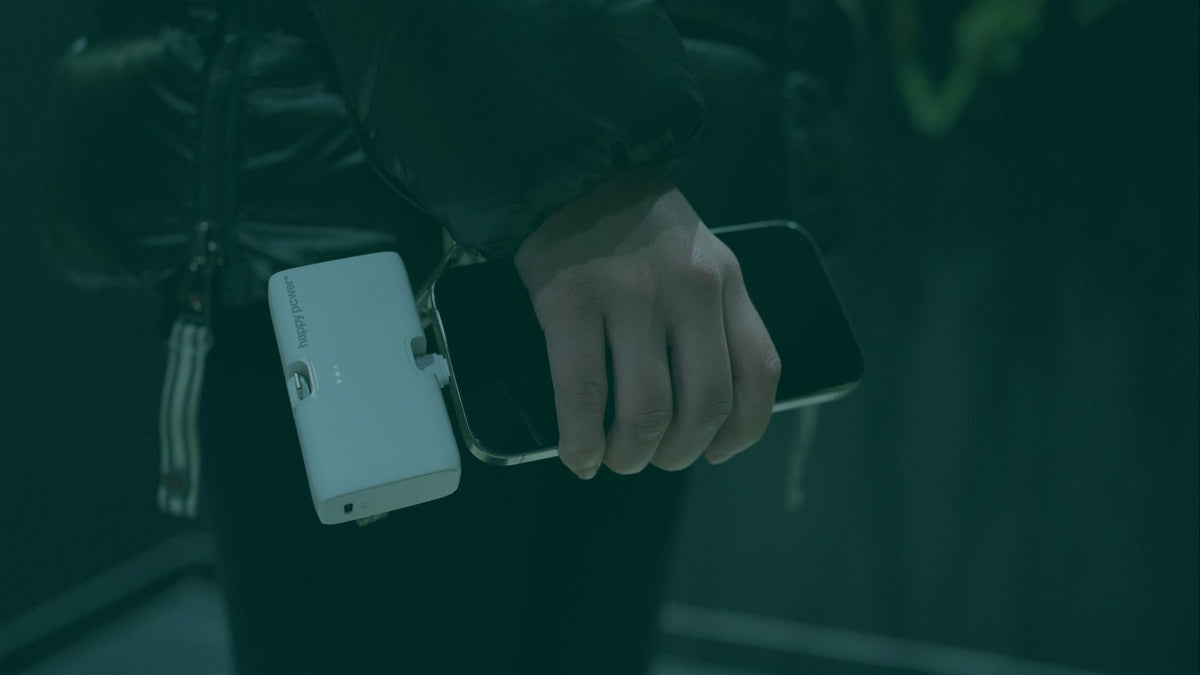
Bringing a power bank on a city trip is convenient. Bringing one to a cabin, on a hiking trip, or out on a boat is something closer to essential. When there is no socket in sight and your phone battery is dropping, a power bank is not just practical, it is the difference between a great trip and a stressful one.
When There Is No Socket in Sight
Norwegian cabins, mountain huts, and boats vary enormously in what they offer. Some have full power, others have a generator that runs for a few hours in the evening, and many have nothing at all. Planning around uncertain access to electricity is part of the experience, but it does not have to mean rationing your phone use all day.
A power bank lets you stay fully charged throughout the day and recharge it overnight if power becomes available, or keep it topped up across multiple days if it does not. For longer trips, capacity matters more than on a short city break.
Your Phone Is More Important Than You Think
Off the grid, your phone does a lot of work. It is your map, your weather forecast, your emergency contact, and often your torch. Losing battery while navigating a trail or anchoring in an unfamiliar bay is a situation most people only want to experience once.
A power bank in your backpack or boat bag means you are never choosing between using your phone and saving battery. You can check the weather, use GPS, take photos, and still have plenty of charge left when you need it.
How Much Capacity Do You Need?
For a day trip or an overnight stay, 5,000mAh is usually enough to give your phone one to two full charges, which covers most people for a short outing. For a weekend trip or several days without reliable power, 10,000mAh gives you two to three full charges, plenty to get through a multi-day hike or a few nights on the water without worrying about battery. If you are out for a week or charging multiple devices, stepping up to 20,000mAh makes sense.
Which Power Bank Is Right for Off-Grid Adventures?
The Bergen Powerbank has 5,000mAh and built-in USB-C and Lightning pins, making it a lightweight option for day hikes where you just need a top-up.
For longer trips, the Oslo Powerbank offers 10,000mAh and 35W fast charging with built-in cables for both USB-C and Lightning. Compact enough for a backpack, with enough capacity for most weekend trips.
The Stockholm Powerbank clips magnetically to compatible iPhones and doubles as a card wallet, keeping things minimal when you want to travel light.
For those who want maximum performance, the Copenhagen Powerbank uses Qi2 magnetic fast charging and is well suited for longer stays or anyone relying heavily on their phone throughout the day.
Before you head out
The further you get from the nearest socket, the more a power bank earns its place in your bag. Pack it charged, pick the right capacity for your trip, and it is one less thing to think about when you are out there.



Leave a comment
This site is protected by hCaptcha and the hCaptcha Privacy Policy and Terms of Service apply.