

We charge our phones every day, but most of us have never been told what actually helps or harms the battery. Here are some of the most common questions, answered properly.
Should you charge to 100%?
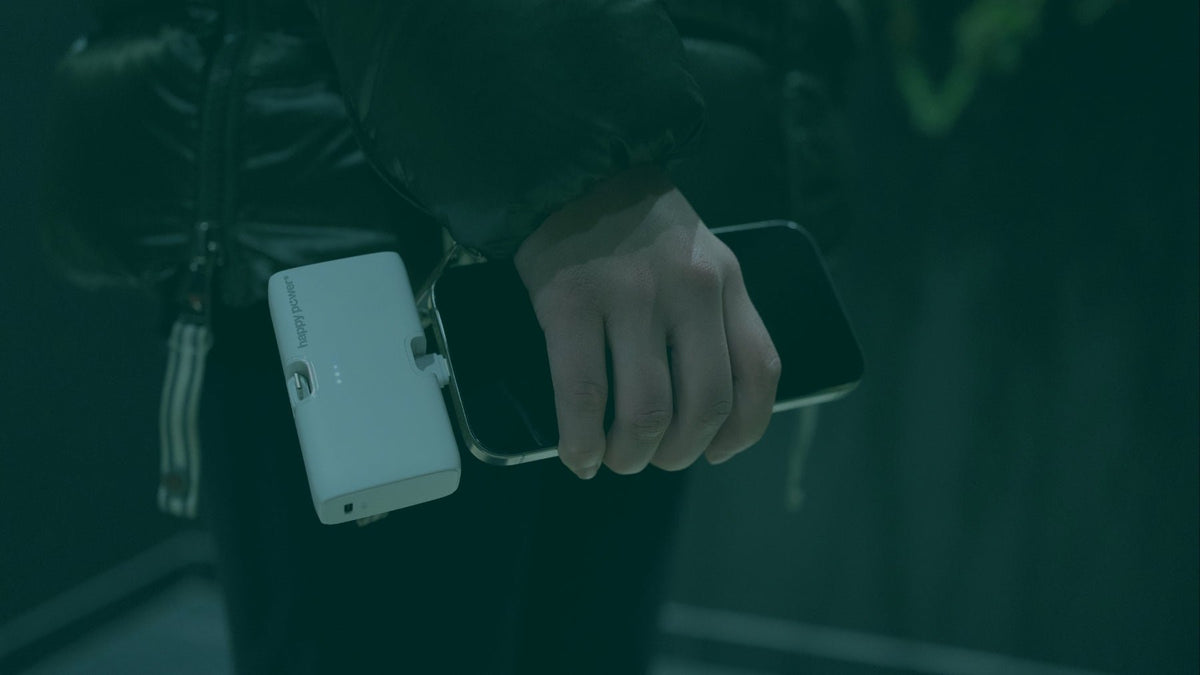
Not necessarily. Lithium-ion batteries prefer staying between 20 and 80 percent. Charging to 100 occasionally is fine, but leaving your phone plugged in at full charge for long periods puts unnecessary strain on the battery over time. A power bank makes it easier to stay in that sweet spot: instead of plugging in overnight and waking up to a full battery, you can top up throughout the day in shorter bursts, keeping your phone comfortably charged without ever pushing it to 100.
Should you let the battery drain to 0%?
No. Fully draining a lithium-ion battery regularly shortens its lifespan. It is better to charge little and often rather than waiting until your phone dies before plugging in.
How does fast charging work?
Fast charging delivers more power to your battery in less time by using higher wattage. Modern fast chargers use smart protocols that adjust the charge rate throughout the process, keeping things efficient from start to finish. The result is a significantly faster charge without you having to do anything differently.
Does leaving your phone plugged in overnight damage it?
Modern phones are designed to stop charging at 100 percent, so they will not overcharge. That said, keeping the battery at 100 percent for hours puts it under more stress than if you unplugged it when full. Many phones now have settings that delay the final charge until just before your alarm, which helps.
Is cold weather bad for your battery?
Yes. Below freezing, the chemical reactions in a lithium-ion battery slow down, causing a temporary drop in capacity. Performance usually returns when the phone warms up. The bigger risk is charging your phone in extreme cold, which can cause permanent damage. If your phone has been sitting in a cold car, let it warm up before plugging it in.
Is heat bad too?
Equally so. Leaving your phone in direct sunlight, on a hot dashboard, or under a pillow while charging are all situations to avoid. Heat accelerates battery degradation more than almost anything else.
Does wireless charging damage the battery?
No. Modern wireless charging standards like Qi2 are designed to charge efficiently while managing heat carefully.
What does this mean in practice?
The habits that matter most are avoiding full charges and full drains and keeping your phone away from heat and extreme cold. A power bank is a convenient way to top up throughout the day without thinking too much about it. The Bergen and Oslo Powerbank are good options for everyday use, while the Copenhagen Powerbank adds 45W fast charging and wireless Qi2 for those who want maximum flexibility.

Leave a comment
This site is protected by hCaptcha and the hCaptcha Privacy Policy and Terms of Service apply.